Perianal Crohn’s Disease can be painful and embarrassing. Many patients delay treatment out of shame. Some patients even hide their symptoms from family members. This is a mistake. The problem only grows worse with time. At Kaizen IBD Care, our IBD specialists help patients understand this condition and get proper care in a comfortable, judgement-free setting.
This blog is written under the guidance of Dr. Vikrant Kale, a gastroenterologist, hepatologist, and interventional endoscopist with over 17+ years of experience. He holds an MBBS (2003) and MRCPI from the Royal College of Physicians of Ireland (2009), along with advanced fellowships in GI Endoscopy and Inflammatory Bowel Disease from Oxford University, UK (2018). He heads Medical Gastroenterology at Kaizen Gastro Care and has personally treated thousands of IBD patients, giving him deep, hands-on expertise in managing complex cases like Perianal Crohn’s Disease. This blog explains everything you need to know about Perianal Crohn’s Disease Treatment .
What Is Perianal Crohn's Disease?
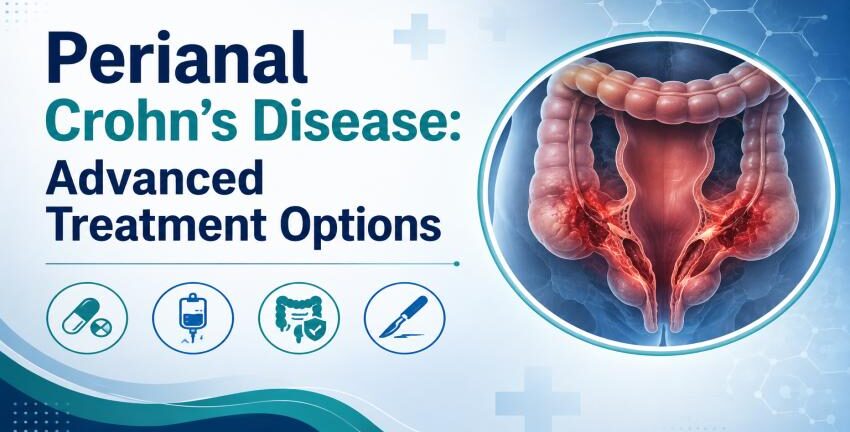
Perianal Crohn’s Disease is a type of Inflammatory Bowel Disease (IBD). It affects the skin and tissue around the anus. It causes fistulas, abscesses, ulcers, and skin tags in this area. It is one of the most difficult complications of Crohn’s Disease. Nearly one in three Crohn’s patients develop this problem at some point in their life. In simple words, the same inflammation that affects the gut also spreads to the area around the anus. This makes daily activities like sitting, walking, and passing stool very painful.
What Causes Perianal Crohn's Disease?
Chronic intestinal inflammation is the main cause. In Crohn’s Disease, the immune system attacks healthy tissue by mistake. This ongoing inflammation weakens the tissue around the anus. Over time, small tunnels form between the bowel and the skin. Doctors call these tunnels Crohn’s Fistula. This condition is known as Anal Crohn’s Disease.
Several factors can trigger or worsen this problem:
- Long-standing, poorly controlled Crohn’s Disease
- Smoking, which slows healing and increases inflammation
- A weak or overactive immune system
- Genetic factors, since IBD often runs in families
- Deep ulcers inside the rectum, which can extend outward
Understanding the cause helps our doctors choose the right combination of treatment for each patient.
Common Symptoms You Should Not Ignore:
Watch out for these warning signs:
- Anal Pain that does not go away, even with home remedies
- Pain During Bowel Movements
- Swelling Around the Anus
- Anal Discharge or Perianal Drainage, sometimes with a foul smell
- Bleeding from the Anus
- Rectal Pain and Anal Swelling
- Persistent Anal Infection that keeps coming back
- Painful Bowel Movements
- Fever, tiredness, and low appetite in severe cases
These symptoms are often mistaken for piles or a simple infection. This is why many patients try home remedies first and lose valuable time. If you notice these symptoms, please do not ignore them. Early action saves you from bigger problems later, including surgery.
Who Is at Higher Risk of Developing Perianal Crohn's Disease?
Some people face higher risk than others. Here are the main risk factors to know:
- Long-standing Crohn’s Disease
- Young age at diagnosis
- Smokers
- Crohn’s Disease affecting the colon or rectum
- Family history of IBD
- Women, after childbirth, if there is underlying Crohn’s Disease
Knowing your risk helps you stay alert and seek help early.
How Doctors Diagnose Perianal Crohn's Disease?
Diagnosis needs a careful, step-by-step approach, since symptoms can overlap with other conditions like piles or simple abscess. Our gastroenterologists use several methods together for an accurate diagnosis:
- Physical Examination to check for external swelling or discharge
- MRI Scan for Anal Fistula, which maps the exact path of the tunnel
- Pelvic MRI for detailed imaging of deeper tissue
- Colonoscopy and Endoscopy to check the inside of the bowel
- Blood Tests for Crohn’s Disease to check inflammation levels
- Stool Tests to check inflammation markers and rule out infection
A proper Gastroenterologist Consultation ensures correct diagnosis. This helps us plan the right, personalised treatment for you, instead of guessing based on symptoms alone.
Why Early Treatment Is Important?
Early treatment prevents complications and reduces suffering. Here is why timing matters so much:
- Prevents Perianal Abscess and chronic infection
- Avoids permanent damage to the anal muscles
- Protects your ability to control bowel movements long-term
- Improves your overall quality of life
- Reduces the number of hospital visits
- Lowers the chance of needing major surgery later
Simply put, the earlier you start treatment, the easier it is to control the disease.
Advanced Treatment Options for Perianal Crohn's Disease:
Kaizen IBD Care offers a full range of treatments, from medicines to advanced surgery. Our approach is evidence-based, step-wise, and patient-focused. We choose treatment based on how severe your fistula is, how many tracts are present, and how your body responds to medicines.
1. Medicines and Biologic Therapy:
Biologic Therapy is a major breakthrough for IBD care. Anti-TNF Therapy, including Infliximab Treatment and Adalimumab Treatment, remains the first choice to close fistulas and keep them closed long-term. These medicines target the immune response directly, instead of just treating symptoms.
Some patients do not respond to anti-TNF medicines. For them, we have good alternatives. Ustekinumab and Vedolizumab are newer biologics that work well in such cases. They target different parts of the immune system and give good relief with fewer flare-ups.
For difficult, complex fistulas, small molecule medicines are also showing good promise. JAK inhibitors, like Upadacitinib, are a newer class of tablets. Doctors are now using them to help heal complex fistulas that do not heal easily with other medicines. This gives new hope to patients who have tried many treatments without success.
2. Antibiotics and Immunosuppressants:
Antibiotics for Crohn’s Disease control infection around fistulas and reduce discharge. Common antibiotics like ciprofloxacin and metronidazole are often used alongside biologics. Immunosuppressant Medicines, such as azathioprine, calm the overactive immune system. Together, these medicines reduce swelling, control infection, and support long-term healing.
3. Stem Cell Therapy:
Stem Cell Therapy is a newer, promising option, especially for fistulas that keep coming back. It helps heal complex fistulas that do not respond to other treatments. In this therapy, doctors inject special mesenchymal stem cells, such as Darvadstrocel, directly into the fistula tract. This local injection helps the tissue heal from inside, rather than acting on the whole body like biologic injections. This therapy shows good, long-lasting results for many patients with difficult, treatment-resistant cases.
4. Surgery for Complex Cases:
Some patients need surgery, especially when medicines alone are not enough or when there is active infection. Dr. Samrat Jankar, our expert colorectal and GI surgeon, performs Minimally Invasive Treatment for complex fistulas and abscesses. Surgery aims to drain infection quickly and preserve normal bowel function.
For complex fistulas, Dr. Samrat Jankar uses advanced, sphincter-sparing surgical techniques. These techniques protect the anal muscles so that patients do not lose bowel control after surgery. This is an important concern for many patients, and our team takes special care to protect this function. Two common methods are the advancement flap procedure and LIFT (Ligation of Intersphincteric Fistula Tract). Both methods close the fistula tract permanently while keeping the sphincter muscle safe.
5. Seton Placement for Anal Fistulas:
Seton Placement is a simple, effective, and commonly used procedure. A special surgical thread, called a seton, is placed inside the fistula tract. This non-cutting seton keeps the tract open for gentle, continuous drainage. It controls hidden infection, called sepsis, and prevents abscess formation. Many patients live comfortably with a seton for months while their inflammation is brought under control with medicines. This step-by-step approach allows the area to heal safely before any further, more permanent treatment.
Can Perianal Crohn's Disease Be Treated Without Surgery?
Yes, many cases respond well to medicines alone. Biologic Therapy combined with antibiotics can heal simple fistulas without surgery. This is why early diagnosis matters so much. However, complex or recurring fistulas, especially those with multiple tracts, often need a combined approach of medicines and minor surgical procedures like seton placement. Our team decides the right path only after full evaluation of your specific case.
Recovery After Treatment: What to Expect?
Post-Surgery Recovery takes time and patience. Here is what most patients can expect:
- Noticeable relief within a few weeks of starting treatment
- Some pain and mild discharge during early healing, which is normal
- Regular follow-up visits to track healing progress closely
- Medicines adjusted by your doctor based on how your body responds
- Return to normal daily activities within a few weeks
- Full healing of complex fistulas may take several months
Diet and Lifestyle Tips for Better Healing:
A good Crohn’s Disease Diet supports faster recovery and reduces strain on your digestive system. Follow these simple tips:
- Eat small, frequent meals instead of large ones
- Avoid Foods to Avoid in Crohn’s Disease, like spicy, fried, and oily food
- Follow a Healthy Gut Diet with cooked vegetables, soft fruits, and lean protein
- Stay well hydrated through the day
- Avoid smoking and alcohol completely, as both worsen inflammation
- Manage stress with light exercise, walking, or yoga
- Keep the perianal area clean and dry to prevent further infection
These Lifestyle Changes for Crohn’s Disease improve Gut Health and support Immune System Health. Small daily habits make a big difference over months of treatment.
Possible Complications If Left Untreated:
Ignoring symptoms can cause serious, long-lasting harm. Complications include chronic Perianal Fistula, repeated Perianal Abscess, anal scarring, and narrowing of the anal canal. Some patients develop loss of bowel control due to muscle damage. In rare, long-standing cases, chronic inflammation can even raise the risk of anal cancer. Early, consistent care avoids these serious outcomes and protects your long-term health.
How to Prevent Flare-Ups?
Prevent Crohn’s Disease Flare-Ups with these simple, practical steps:
- Take medicines as prescribed, without skipping doses
- Do not skip follow-up visits, even when you feel better
- Maintain a healthy, balanced diet
- Avoid smoking completely
- Manage stress levels through relaxation techniques
- Get enough sleep every night
- Report new symptoms to your doctor immediately, instead of waiting
Long-Term Crohn’s Care needs discipline and regular monitoring. Patients who stay consistent with follow-up care generally have fewer flare-ups and a better quality of life.
When Should You See a Gastroenterologist?
Visit a doctor as soon as you notice anal pain, swelling, discharge, or bleeding. Do not wait for symptoms to worsen or hope they will resolve on their own. Also see a doctor if you have known Crohn’s Disease and notice any new discomfort near the anus. Early consultation with an IBD Specialist can prevent complications, protect your bowel function, and reduce the need for surgery.
Frequently Asked Questions (FAQs):
It is a chronic condition, meaning it needs long-term management. However, with proper treatment, most patients manage symptoms well and lead a normal, active life.
No. Many patients heal with medicines alone, especially when diagnosed early. Surgery is needed only in complex or recurring cases.
Diet helps support healing and reduces flare-ups, but it cannot replace medical treatment. Combine a healthy diet with proper medicines for the best, lasting results.
Recovery varies by patient and by the complexity of the fistula. Most people see clear improvement within a few weeks, while complete healing may take a few months.
Yes, cases are steadily rising in India, partly due to better awareness and diagnosis. Early consultation and lifestyle changes are important for better long-term outcomes.
Yes, it can recur, especially if the underlying Crohn’s Disease is not well controlled. This is why long-term follow-up and maintenance medicines are so important.
Conclusion:
Perianal Crohn’s Disease needs timely, expert, and compassionate care. At Kaizen IBD Care, Dr. Vikrant Kale and Dr. Samrat Jankar offer complete Crohn’s Disease Treatment, combining the latest medicines with advanced surgical skill. From biologic therapy to sphincter-sparing surgery, we provide personalised care for every patient, at every stage of the disease. Do not ignore your symptoms or suffer in silence. Book your consultation today and take the first confident step towards better gut health.