IBD with Strictures Treatment in Pune, India
Inflammatory Bowel Disease (IBD) can lead to a serious complication called intestinal strictures. This condition narrows the bowel and makes it very hard for food and waste to pass through. If you are looking for advanced IBD with Strictures Treatment in Pune, India, Kaizen IBD Care offers dedicated and expert care for exactly this problem.
At Kaizen IBD Care, patients are treated by two highly experienced specialists — Dr. Vikrant Kale, IBD Specialist and Senior Gastroenterologist, and Dr. Samrat Jankar, Colorectal Surgeon and IBD Surgeon. Together, they bring a combined medical and surgical approach to managing IBD with strictures. Whether your condition needs medicines, endoscopic procedures, or surgery, you get complete and coordinated care under one roof right here in Pune.
What Is a Stricture? Understanding the Basics
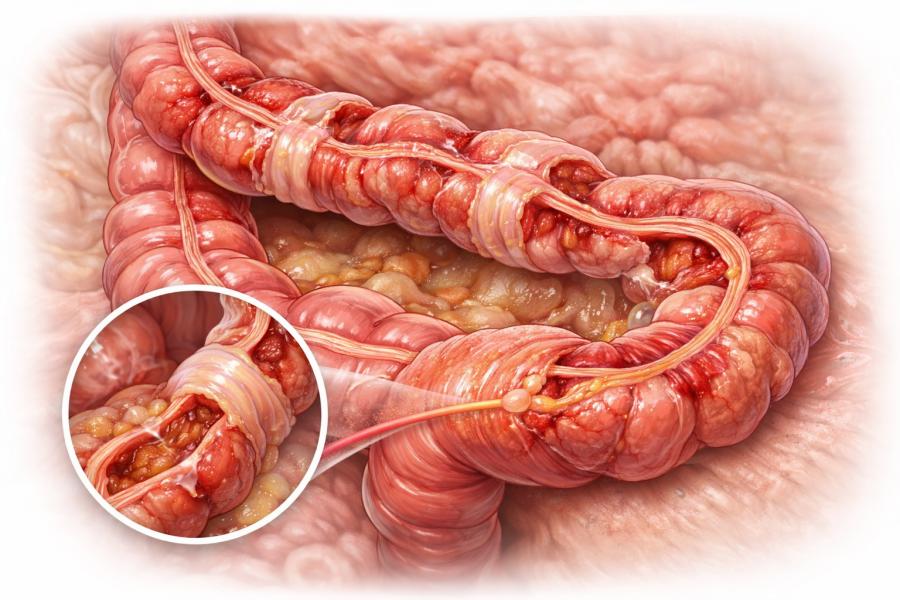
Many patients ask — what is a stricture? Simply put, a stricture is a narrowing of the intestine or bowel. When IBD causes long-term inflammation, the gut wall gets damaged. Over time, scar tissue builds up. This scar tissue makes the passage inside the intestine narrow.
The strictures meaning in medical terms is this narrowing of a hollow passage in the body. In IBD patients, it mostly affects the small intestine, large intestine, or colon. A colon stricture (also called stricture colon or strictures in colon) is one of the most common complications seen in Crohn’s disease. Some patients also develop a large bowel stricture, which can cause pain, bloating, and blockage.
How Does IBD Cause Intestinal Strictures?
IBD includes two main conditions — Crohn’s disease and Ulcerative Colitis. Both cause chronic inflammation in the digestive tract. In Crohn’s disease, the inflammation goes deep into the gut wall. This repeated damage and healing leads to stricture intestine formation. The bowel becomes stiff and narrow. In severe cases, it can lead to a complete blockage.
Ulcerative Colitis can also cause a stricture in colon, though it is less common. When it does occur, doctors take it seriously because it can raise the risk of colon cancer. At Kaizen IBD Care, our specialists are trained to identify early signs of stricture formation and act before the condition worsens. Common causes of intestinal strictures in IBD patients include:
- Long-standing, uncontrolled inflammation
- Repeated episodes of flare-ups and healing
- Post-surgical scar tissue formation
- Deep ulcers that damage the intestinal wall
Symptoms of Intestinal Strictures You Should Not Ignore
Strictures can develop slowly over time. Many patients confuse these symptoms with a normal IBD flare-up. Knowing the signs early can help you get the right treatment faster. Watch out for these warning signs:
- Cramping or pain in the abdomen, especially after eating
- Bloating and feeling of fullness quickly
- Nausea or vomiting after meals
- Constipation or difficulty passing stool
- Sudden weight loss
- Loud bowel sounds (gurgling)
- Visible swelling of the abdomen
If you notice these symptoms regularly, it is important to consult an IBD Specialist in Pune without delay. At Kaizen IBD Care, patients are evaluated thoroughly so that strictures are identified early and treated before complications arise.
Diagnosing Strictures in IBD Patients
Correct diagnosis is the first step in IBD treatment in Pune. At Kaizen IBD Care, our specialists use advanced tests to confirm the presence of a stricture and understand its exact location and severity.
Common diagnostic tools include:
- Colonoscopy — to directly view strictures in colon or large bowel
- MRI Enterography — to check the small intestine for any stricture intestine
- CT Scan of Abdomen — to check for bowel blockage or complications
- Barium Swallow / Follow Through — to trace the path of contrast through the intestine
- Capsule Endoscopy — for hard-to-reach areas of the small bowel
This thorough evaluation helps the team decide the best approach for IBD with Strictures Treatment for each patient individually.
IBD with Strictures Treatment Options in Pune, India
IBD with Strictures Treatment in Pune, India involves a step-by-step approach. The goal is to reduce inflammation, open the narrowed bowel, and prevent future strictures from forming. The right treatment depends on the type, location, and severity of the stricture.
1. Medical Management
The first line of treatment is always medicines. Anti-inflammatory drugs, steroids, and biologic therapies help control the inflammation that causes strictures. Reducing inflammation can slow down stricture formation and help the bowel heal.
However, once a stricture becomes fibrotic (made of scar tissue), medicines alone cannot reverse the narrowing. In these cases, endoscopic or surgical options are needed. The medical team at Kaizen IBD Care carefully evaluates each patient before deciding on the next course of action.
2. Endoscopic Balloon Dilation
This is a minimally invasive procedure. A thin, flexible tube (endoscope) is inserted into the bowel. A small balloon is then inflated at the site of the stricture colon or stricture in colon to gently stretch and widen it. This procedure avoids the need for surgery in many patients.
Endoscopic dilation works best for short, accessible strictures. It can be repeated if the stricture comes back.
3. Strictureplasty — Bowel-Saving Surgery
Strictureplasty is a surgical technique used mainly for Crohn’s disease of the small intestine. Instead of removing the narrowed bowel, the surgeon reshapes it to make it wider. This is a bowel-conserving surgery — meaning the intestine is saved and not removed.
Strictureplasty is preferred when a patient has multiple strictures or has already lost a large portion of the intestine due to past surgeries. It helps preserve the absorption capacity of the gut.
4. Bowel Resection Surgery
When a stricture is long, complex, or not suitable for strictureplasty, surgery for Crohn’s disease may involve removing the affected section of the intestine. This is called bowel resection. The healthy ends are then joined together.
Surgery for Crohn’s disease does not cure the condition, but it gives significant relief from blockage and pain. At Kaizen IBD Care, Dr. Samrat Jankar performs surgery Crohn’s disease cases using minimally invasive and robotic surgical techniques. This means less pain, faster recovery, and smaller cuts.
5. Crohn’s Disease Operation for Complex Cases
In some advanced cases, a Crohn’s disease operation may be needed urgently. This is when there is a complete bowel blockage, abscess, or perforation. The surgical team at Kaizen IBD Care is fully equipped to handle such emergency situations.
Why Choose Kaizen IBD Care for IBD with Strictures Treatment in Pune?
Kaizen IBD Care is Pune’s first fully dedicated IBD Treatment Centre. It is located in Wakad, Pune and is led by two expert doctors who work together to provide complete IBD care.
- Dr. Vikrant Kale — IBD Specialist & Senior Gastroenterologist: Dr. Kale has over 17 years of experience in managing IBD. He completed his Fellowship in Inflammatory Bowel Disease from Oxford University (UK) in 2018. He is one of the most trusted IBD Specialists in Pune for managing complex conditions including intestinal strictures, biological therapies, and interventional endoscopy.
- Dr. Samrat Jankar — Colorectal Surgeon & IBD Surgeon: Dr. Jankar is an expert in minimally invasive and robotic surgeries for IBD complications. He specialises in strictureplasty, bowel resection, fistula surgery, and surgery for Crohn’s disease. His skills ensure that patients who need a Crohn’s disease operation get the safest and most modern surgical care available.
Together, they provide a combined medical and surgical approach — which means patients get complete, coordinated care under one roof. This is what makes IBD treatment in Pune at Kaizen IBD Care different from other centres.
Life After IBD with Strictures Treatment — What to Expect
Most patients see a significant improvement in quality of life after treatment. Whether it is endoscopic dilation or surgery Crohn’s disease, the relief from bowel blockage and pain is noticeable.
After treatment, regular follow-up is very important. IBD is a lifelong condition. Strictures can come back if the inflammation is not kept under control. The team at Kaizen IBD Care works with each patient on a long-term plan. This includes medicine, diet guidance, and periodic colonoscopies to check for any new narrowing.
Patients from Hinjewadi, Baner, Balewadi, Aundh, Pimpri-Chinchwad, Ravet, and all across Pune and Maharashtra visit Kaizen IBD Care for specialised IBD with Strictures Treatment in Pune, India.
Book Your Appointment for IBD with Strictures Treatment in Pune, India
If you or a family member is suffering from symptoms of intestinal strictures, do not wait. Delayed treatment can lead to a complete bowel blockage — which is a medical emergency. At Kaizen IBD Care, our expert team is ready to help you with the right diagnosis and the most suitable treatment plan. Take the first step towards better health today.
- Call us at: +91 97636 35252
- Email Us : enquiry@kaizenibdcare.com
- Visit Kaizen IBD Care at: Second Floor, Oriana Crest building, Datta Mandir Rd, Postal Colony, Shankar Kalat Nagar, Wakad, Pimpri-Chinchwad, Maharashtra 411057
Book Your Appointment Online. Kaizen IBD Care — Pune’s First Dedicated IBD Treatment Centre. Compassionate. Expert. Evidence-Based.
FAQ's About IBD with Strictures Treatment
Strictures develop due to long-term inflammation and repeated injury to the bowel wall, which leads to scarring and narrowing of the intestine.
Yes. Inflammatory strictures may improve with medicines and biological therapy. Some patients can also benefit from endoscopic balloon dilatation. Surgery is needed only in severe or fibrotic cases.
Yes. If untreated, strictures can cause bowel obstruction, severe pain, vomiting, and emergency complications. Early treatment is very important.
High-fibre foods, raw vegetables, seeds, nuts, and hard-to-digest foods should be avoided during active symptoms. A personalised diet plan is recommended.
IBD is a chronic condition, and strictures can recur if inflammation is not controlled. Regular follow-ups and proper long-term treatment reduce recurrence risk.
You should consult a doctor immediately if you have repeated abdominal pain, bloating, vomiting, difficulty passing stools, or symptoms of bowel blockage.