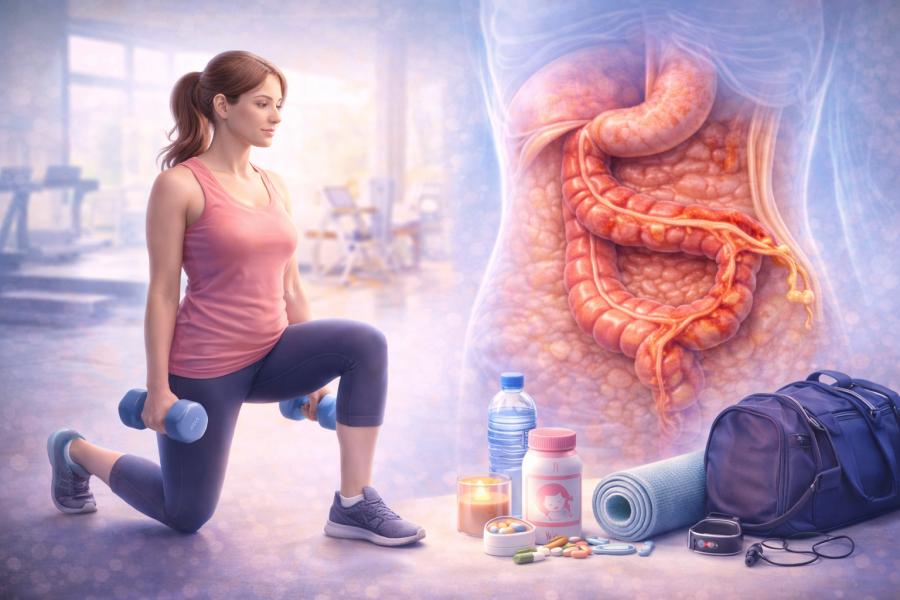
Regular physical activity plays an important role in maintaining overall health, even for people living with Inflammatory Bowel Disease (IBD). Many patients avoid exercise due to fear of worsening symptoms or fatigue. However, with the right guidance and safe activity planning, exercise can help improve digestion, boost immunity, reduce stress, and increase energy levels. At Kaizen IBD Care, exercise guidance is integrated with medical treatment and lifestyle management. Our experienced IBD specialists and colorectal care team help patients choose safe physical activities based on disease stage, fitness level, and overall health condition.
Is Exercise Safe for IBD Patients?
Yes. Most IBD patients can safely exercise, especially when the disease is under control. Physical activity helps improve blood circulation, strengthen muscles, maintain bone health, and support mental well-being. During active flare-ups, intense exercise should be avoided. Instead, light activities such as walking and stretching are recommended. Once the disease is stable, patients can gradually increase activity levels under medical guidance.
Benefits of Exercise in IBD Management:
Exercise helps IBD patients in many ways. It reduces stress, improves mood, supports better sleep, controls weight, and improves stamina. Regular activity also helps reduce the risk of bone loss, which can occur due to long-term steroid use and nutritional deficiencies. At Kaizen IBD Care, patients are guided on how to use exercise as a supportive tool for long-term disease management.
Choosing the Right Type of Exercise:
Not all exercises are suitable for every IBD patient. The type and intensity depend on disease severity, past surgeries, fatigue level, and overall fitness. Our team helps patients choose safe options such as:
- Walking and light jogging
- Yoga and stretching
- Swimming
- Low-impact strength training
High-intensity workouts are introduced gradually and only when medically appropriate.
Exercise After IBD Surgery:
Patients who have undergone bowel surgery or fistula procedures require special care while restarting physical activity. At Kaizen IBD Care, post-surgery exercise guidance is provided to ensure safe recovery, avoid complications, and rebuild strength gradually. Activity plans are adjusted based on healing progress and medical review.
Balancing Exercise with Daily Routine:
Consistency is more important than intensity. Short daily activity sessions are more beneficial than occasional heavy workouts. Patients are encouraged to listen to their body, avoid overexertion, and maintain a healthy balance between rest and activity. Our doctors help patients create realistic exercise routines that fit their lifestyle and work schedule.
Why Choose Kaizen IBD Care for Exercise Guidance?
- Medically Supervised Activity Planning: Exercise guidance is provided under medical supervision to ensure safety and suitability based on the disease condition.
- Personalised Fitness Recommendations: Each patient receives customised activity advice based on disease stage, physical strength, and recovery status.
- Integrated Medical and Lifestyle Support: Exercise planning is combined with IBD treatment, nutrition guidance, and lifestyle management for better results.
- Post-Surgery Rehabilitation Support: Patients who undergo IBD-related surgery receive structured activity guidance to support faster and safer recovery.
- Focus on Long-Term Health and Well-Being: Our goal is not just fitness, but long-term disease control, improved stamina, and better quality of life.
When Should You Consult Before Starting Exercise?
You should consult an IBD specialist before starting or changing exercise routine if you:
- Have active flare-ups
- Recently had surgery
- Experience extreme fatigue
- Have joint pain or weakness
- Have nutritional deficiencies
Frequently Asked Questions (FAQ's):
If done incorrectly during flare-ups, intense exercise may worsen symptoms. With proper planning, exercise is usually safe and beneficial.
Low-impact activities such as walking, yoga, swimming, and stretching are generally safe and effective.
During flare-ups, only light activity such as short walks and gentle stretching is recommended. Heavy exercise should be avoided.
Yes, but only after disease stabilisation and with proper guidance. Low to moderate intensity training is preferred.
Most patients benefit from 30 minutes of moderate activity at least 4–5 days a week, depending on medical condition.
Book Consultation for IBD & Exercise Guidance in Pune:
If you want safe exercise guidance while living with IBD, consult the expert team at Kaizen IBD Care, Pune for personalised fitness and lifestyle support.