IBD Diet and Lifestyle for IBD
Living with Inflammatory Bowel Disease (IBD) is not just about taking medicines. What you eat and how you live every day plays a huge role in managing your condition. The right IBD diet can reduce flare-ups, improve digestion, and help you feel better overall.
At Kaizen IBD Care, Pune’s first fully dedicated IBD Treatment Centre, diet and lifestyle guidance is an important part of every patient’s care plan. Led by Dr. Vikrant Kale (IBD Specialist & Senior Gastroenterologist) and Dr. Samrat Jankar (Colorectal Surgeon & IBD Surgeon), the team at Kaizen IBD Care believes that good nutrition is the foundation of good gut health.
Understanding IBD and Why Diet Matters
IBD is a chronic condition that causes inflammation in the digestive tract. It includes two main types — Ulcerative Colitis and Crohn’s Disease. Both conditions affect how the gut absorbs nutrients and processes food. When the gut is inflamed, it cannot absorb nutrients properly. This leads to malnutrition, weight loss, and fatigue. A poorly planned diet can make symptoms worse. On the other hand, a well-planned IBD-focused diet can help control inflammation, support healing, and maintain a healthy weight.
Diet does not cure IBD. But it plays a powerful supporting role alongside medical treatment. The goal of IBD nutrition is to reduce gut irritation, replace lost nutrients, and keep the digestive system as calm as possible.
IBD Diet and IBD Nutrition Basics for Long-Term Gut Health
A strong foundation is key to managing IBD through diet. Here are the core principles of IBD nutrition that every patient should follow:
- Eat small, frequent meals. Large meals can put pressure on an inflamed gut. Eating 5 to 6 small meals a day is easier to digest.
- Stay well hydrated. Diarrhoea is common in IBD. Drink plenty of water and oral rehydration fluids to prevent dehydration.
- Choose easily digestible foods. Soft, cooked foods are gentler on the gut than raw, rough, or heavily spiced foods.
- Track your food and symptoms. Keep a food diary. This helps you and your doctor identify IBD trigger foods that make your symptoms worse.
- Do not skip meals. Skipping meals can weaken your body and reduce your ability to fight inflammation.
- Work with a specialist. An IBD diet plan should always be personalised. What works for one patient may not work for another.
At Kaizen IBD Care, Dr. Vikrant Kale guides patients on building a sustainable and gut-friendly eating routine as part of their overall IBD treatment diet.
Best IBD Foods and Foods for IBD Patients
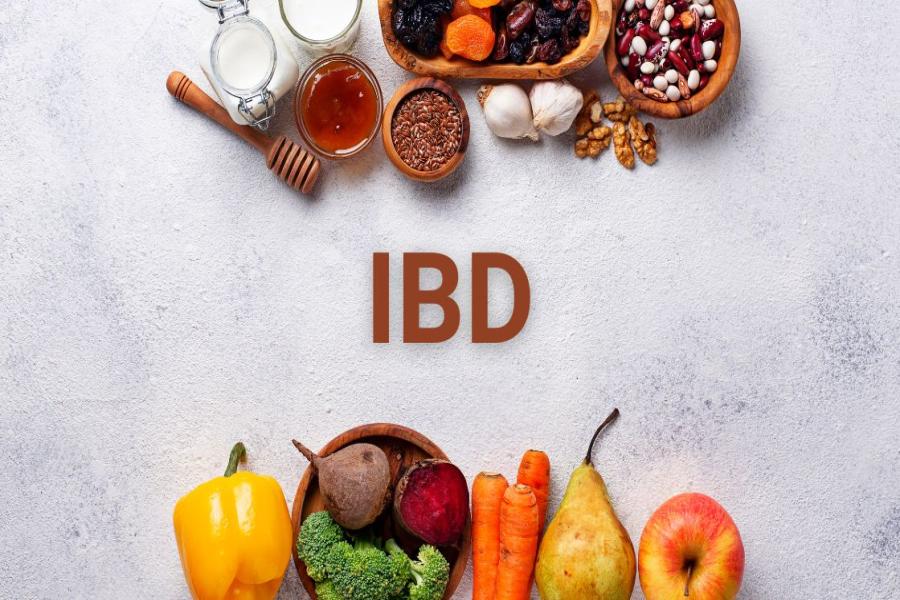
Not every food is safe for IBD patients. But many nourishing foods are gentle on the gut and support healing. Here are some of the best IBD foods to include in your daily diet:
Proteins:
- Well-cooked eggs
- Soft-cooked chicken or fish
- Tofu and paneer (in small amounts)
- Dal (well-cooked and not too spiced)
Carbohydrates:
- White rice and soft khichdi
- Boiled or mashed potatoes
- Plain bread or toast
- Oatmeal or cooked semolina (upma without spices)
Fruits and Vegetables:
- Banana, papaya, and melons
- Well-cooked and peeled carrots, pumpkin, and bottle gourd
- Steamed or boiled vegetables without skin
Dairy (if tolerated):
- Curd or yoghurt (probiotic-rich)
- Buttermilk (chaas)
- Paneer in small portions
These foods for IBD are gentle, nutritious, and easy to digest. They help the body get the fuel it needs without aggravating inflammation.
Ulcerative Colitis Diet: Recommended Ulcerative Colitis Food List
The ulcerative colitis diet focuses on foods that reduce irritation in the colon. Since Ulcerative Colitis affects the large intestine, the colon needs special care.
Recommended ulcerative colitis food list:
- Plain curd and buttermilk — help restore good gut bacteria
- Soft-cooked rice — easy to digest and light on the colon
- Bananas — provide potassium lost due to diarrhoea
- Boiled and mashed vegetables — reduce fibre load on the colon
- Soups and broths — provide hydration and light nutrition
- Well-cooked lentils (moong dal) — a good source of protein
During a flare-up, patients with Ulcerative Colitis are advised to follow a low-residue colitis diet. This means avoiding high-fibre raw foods that increase stool frequency. As symptoms improve, the diet can be slowly expanded. The colitis diet should be planned individually. Kaizen IBD Care provides personalised dietary guidance for Ulcerative Colitis patients as part of their complete care programme.
Crohn's Diet Guide: Healthy Crohn's Food Choices for Better Digestion
Crohn’s Disease can affect any part of the digestive tract — from the mouth to the anus. This is why a Crohn’s diet needs careful planning based on where the disease is active. A healthy Crohn’s diet includes:
- Crohn’s food that is soft, low in fat, and easy to digest
- Boiled chicken, fish, and eggs for lean protein
- Peeled and cooked fruits and vegetables
- White rice, soft chapati, or bread
- Oral nutritional supplements when appetite is low
During a Crohn’s flare-up, the gut may not absorb nutrients well. In some cases, liquid diets or elemental formulas are recommended. This is especially true for patients with small intestinal Crohn’s. A healthy Crohn’s diet avoids high-fat foods, fried items, and foods that are hard to digest. It focuses on gut-specialized food — items that nourish without irritating the inflamed gut. Dr. Vikrant Kale at Kaizen IBD Care advises Crohn’s patients on specific food choices based on disease location, activity level, and nutritional status.
IBD Trigger Foods and Colitis Diet Restrictions to Know
Knowing your IBD trigger foods is as important as knowing what to eat. Trigger foods vary from person to person. But some common ones affect most IBD patients. Common IBD trigger foods to avoid:
- Spicy food — red chilli, chilli powder, hot curries
- Fried and oily food — samosas, pakodas, puris
- Raw vegetables with tough skins — cabbage, cauliflower, raw onion
- Carbonated drinks and alcohol
- High-fat dairy — full-fat paneer, cream, butter in excess
- Processed and packaged food — chips, biscuits, instant noodles
- Caffeine in excess — too much tea or coffee
- Whole nuts and seeds — can be hard on an inflamed gut
For the colitis diet, raw salads, spicy gravies, and street food should be avoided during flare-ups. Many Indian food habits involve heavy spices and oil — these need to be adjusted when managing IBD.
Anti-Inflammatory Diet for IBD: Foods That May Help Reduce Inflammation
An anti-inflammatory diet for IBD focuses on foods known to calm the immune system and reduce gut inflammation. This is not a cure. But research suggests that certain foods have protective properties for IBD patients. Anti-inflammatory foods to include:
- Turmeric (Haldi) — contains curcumin, known for its anti-inflammatory properties. Add in warm water or dal.
- Ginger — helps with nausea and gut inflammation. Use in light teas or cooking.
- Omega-3-rich foods — salmon, mackerel, or flaxseed powder. Help reduce inflammation.
- Probiotics — curd, buttermilk, and fermented foods support healthy gut bacteria.
- Cooked leafy greens — spinach and methi cooked well provide folate and antioxidants.
- Olive oil or cow ghee — healthy fats in small amounts support the gut lining.
An anti-inflammatory diet for IBD works best when combined with medical treatment. It is a supportive tool, not a replacement for medicines or therapy.
Lifestyle Changes to Support IBD Treatment and Gut Health
Diet alone is not enough. Lifestyle changes work hand in hand with the IBD treatment diet to improve outcomes. Here are the key changes that help:
- Manage Stress: Stress is a known trigger for IBD flare-ups. Practice deep breathing, yoga, or meditation daily. Even 15 minutes of mindfulness can make a big difference.
- Exercise Regularly: Moderate, regular exercise reduces inflammation and improves mood. Walking, swimming, or yoga are good options. Avoid intense workouts during active flare-ups.
- Sleep Well: Poor sleep worsens inflammation. Aim for 7 to 8 hours of restful sleep each night. Avoid screens before bedtime.
- Stop Smoking: Smoking worsens Crohn’s Disease significantly. It increases flare-up frequency and risk of surgery. Quitting smoking is one of the most important lifestyle steps for Crohn’s patients.
- Avoid Self-Medication: Do not take pain killers like Ibuprofen or Diclofenac without a doctor’s advice. These NSAIDs can trigger IBD flare-ups. Always consult your IBD specialist before taking any new medicine.
Preventing Nutritional Deficiencies Through an IBD-Focused Diet
IBD affects how the gut absorbs nutrients. This leads to common deficiencies that need to be watched carefully. Common deficiencies in IBD patients:
- Iron — due to bleeding and poor absorption. Can cause anaemia.
- Vitamin B12 — especially in Crohn’s patients with ileum involvement.
- Vitamin D — important for bone health and immune function. Very common deficiency in IBD.
- Calcium — reduced due to steroid use and poor dairy intake.
- Folate — often low due to poor diet and certain IBD medicines.
- Zinc — lost through frequent diarrhoea.
An IBD-focused diet should try to include these nutrients through food wherever possible. When dietary sources are not enough, supplements are prescribed. At Kaizen IBD Care, Dr. Vikrant Kale regularly monitors nutritional levels through blood tests and adjusts diet recommendations and supplements accordingly.
When to Seek Expert Advice for Your IBD Treatment Diet
Some patients try to manage their diet on their own. But IBD is a complex condition. You should speak to an IBD specialist if:
- You are losing weight despite eating regularly
- You are always feeling weak or fatigued
- You notice blood in your stool
- Your symptoms worsen after eating most foods
- You are unsure what to eat during a flare-up
- Your child has IBD and needs a growth-supporting diet
Diet management for IBD is not one-size-fits-all. An expert can help you build a plan that suits your specific disease, nutritional needs, and lifestyle.
Why Choose Kaizen IBD Care for Diet and Lifestyle Management
Kaizen IBD Care is Pune’s first and most dedicated IBD Treatment Centre. Located in Wakad, Pune, it is built around one goal — giving IBD patients the best possible care.
When it comes to diet and nutrition for IBD, here is what makes Kaizen IBD Care different:
- Specialised IBD nutrition support — diet advice is specific to IBD, not generic healthy eating tips.
- Personalised IBD diet plans — based on your disease type, activity level, and deficiencies.
- Combined medical and dietary approach — Dr. Vikrant Kale ensures that diet recommendations align with your medical treatment plan.
- Regular follow-up and monitoring — nutritional blood tests are done regularly to check and correct deficiencies.
- Holistic care — alongside diet, the team guides patients on stress management, sleep, exercise, and lifestyle.
For the best IBD treatment in Pune, patients from Hinjewadi, Baner, Pimpri-Chinchwad, Aundh, Ravet, and across Maharashtra trust Kaizen IBD Care. Dr. Vikrant Kale is widely regarded as the Best IBD Specialist in Pune for his deep expertise, Oxford-trained knowledge, and patient-first approach.
Book a Diet and Lifestyle Consultation at Kaizen IBD Care
You do not have to figure out your IBD diet alone. At Kaizen IBD Care, our specialists guide you at every step — from what to eat during a flare-up to building a long-term nutrition plan for remission. Take the first step towards better gut health today.
- Call us: +91 97636 35252
- Email: enquiry@kaizenibdcare.com
- Visit us: Second Floor, Oriana Crest building, Datta Mandir Rd, Postal Colony, Shankar Kalat Nagar, Wakad, Pimpri-Chinchwad, Maharashtra 411057
Book Your Appointment Online. Kaizen IBD Care — Pune’s First Dedicated IBD Treatment Centre. Compassionate. Expert. Evidence-Based.