What Is IBD (Inflammatory Bowel Disease)?
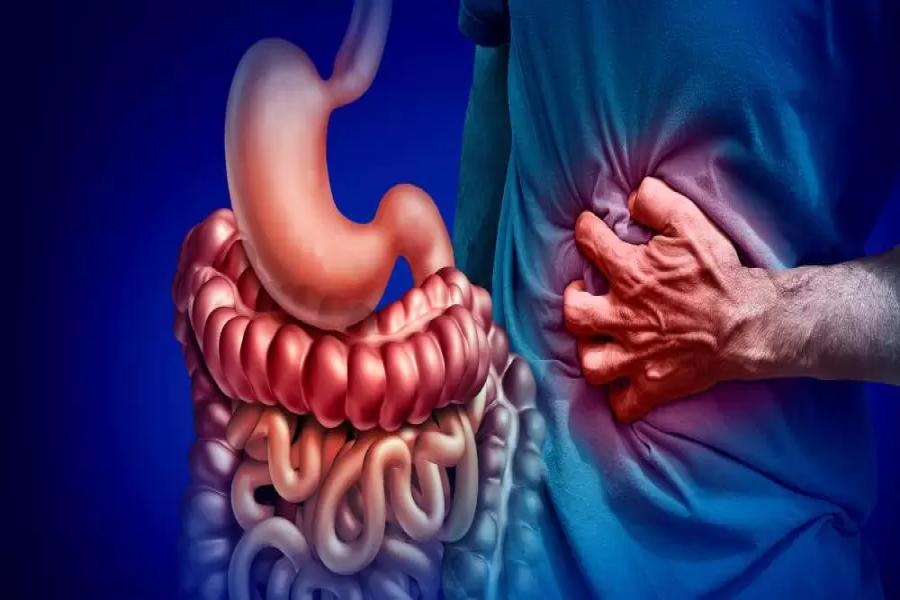
IBD (Inflammatory Bowel Disease) is a chronic condition that causes long-term inflammation of the digestive tract, especially the intestines. It is a serious medical disease, not a temporary stomach problem or infection, and requires specialist care and long-term management. IBD mainly affects the colon (large intestine) and small intestine and can significantly impact daily life if not diagnosed and treated on time.
Understanding IBD:
Inflammatory Bowel Disease occurs when the body’s immune system mistakenly attacks the digestive tract, leading to continuous inflammation. Over time, this inflammation can damage the intestinal lining and cause multiple symptoms and complications.
IBD is a relapsing–remitting disease, meaning:
- Symptoms may flare up at times
- Periods without symptoms are called remission
Is IBD the Same as IBS?
No. IBD and IBS are completely different conditions.
- IBD causes actual inflammation and damage to the intestine
- IBS (Irritable Bowel Syndrome) is a functional disorder with no intestinal damage
IBD can be detected through tests like colonoscopy and scans, while IBS cannot.
Common Symptoms of IBD:
Symptoms of IBD vary from person to person, but commonly include:
- Chronic or recurrent diarrhea
- Blood or mucus in stool
- Abdominal pain and cramps
- Urgent need to pass stools
- Feeling of incomplete bowel emptying
- Fatigue and weakness
- Unexplained weight loss
- Loss of appetite
Symptoms may be mild in early stages but can become severe if untreated.
What Causes IBD?
The exact cause of IBD is still not fully known. However, it is believed to occur due to a combination of:
- Immune system dysfunction
- Genetic factors (family history of IBD)
- Environmental triggers
- Imbalance of gut bacteria
👉 IBD is not contagious and does not occur due to spicy food, stress alone, or poor hygiene.
Who Is at Risk of IBD?
IBD can affect any age group, but it is commonly diagnosed in:
- Young adults (15–35 years)
- People with a family history of IBD
- Smokers (especially for Crohn’s disease)
- Individuals with autoimmune conditions
Men and women are affected almost equally.
How Is IBD Diagnosed?
To diagnose IBD, doctors may recommend:
- Blood tests (to detect inflammation and anemia)
- Stool tests
- Colonoscopy with biopsy
- Endoscopy
- CT scan or MRI of the abdomen
Early diagnosis helps in better disease control and prevents complications.
Is IBD Curable?
IBD is a chronic condition, meaning it may not always be permanently curable. However, it is highly manageable with:
- Proper medications
- Regular follow-ups
- Lifestyle and dietary modifications
Many patients live a normal, active, and productive life when the disease is well controlled.
Why Early Treatment of IBD Is Important?
If left untreated, IBD can lead to complications such as:
- Intestinal strictures (narrowing)
- Fistulas
- Severe bleeding
- Nutritional deficiencies
- Increased risk of colorectal cancer
Early treatment reduces complications and improves long-term outcomes.
When Should You Consult a Doctor?
You should seek medical advice if you experience:
- Blood in stools
- Chronic diarrhea lasting more than 2 weeks
- Severe abdominal pain
- Unexplained weight loss
- Symptoms that keep recurring
Early evaluation by a specialist helps in timely diagnosis and effective treatment.
IBD is a serious but manageable intestinal disease. Understanding the condition, recognising symptoms early, and starting the right treatment can significantly improve quality of life. With expert care and regular monitoring, patients with IBD can lead a healthy and active life.